
"divided into six major"
200 article(s) found

Honduras six major coffee producing areas Opalaca Opalaca coffee cultivation situation Flavor characteristics Introduction
Professional coffee knowledge exchange More coffee bean information Please pay attention to Coffee Workshop (Weixin Official Accounts cafe_style) Honduran coffee is divided into six major producing areas, covering the west and south, namely Copan, Opalaca, Montecillos, Comayagua and Agalta Tropical

The distinguishing characteristics of six major teas: how to distinguish the grades of black tea in the 17th century?
In Chinese tea culture, tea is divided into six categories, that is, six major tea families. According to the different degree of fermentation, the color of the tea soup is also classified. In fact, it has been scientifically certified as the degree of oxidation of catechins. With the differences in the steps of the local knowledge process, the leaves of the same tea tree are changed into six different tastes. There are green and white respectively

Introduction of the six major coffee producing areas in Honduras to the western and southern regions
In Honduras, coffee-producing areas are divided into six major areas, spread to the west and south, namely Santa Barbara (Santa Barbara), El Paraiso (El Paraiso), Copan (Copan), La Paz (La Paz) and Comayagua (Olan Mound), with an average planting height of more than 1100 meters above sea level. The variety of coffee is Elaraby

Montecillos Monde West right Coffee from six major coffee producing areas in Honduras has a special flavor.
Professional coffee knowledge exchange more coffee bean information please follow the coffee workshop (Wechat official account cafe_style) according to IHCAFE data, Honduran coffee can be divided into six major producing areas, mainly located in the west and south of the Coban District (Copan), Obalaka District Opalaca), Montecillos (Montecillos), Gongma Agua (Comayagua), Akata (Agalt)

Santa Barara Manor is introduced in the six major coffee producing areas of Honduras with a rich and well-balanced taste.
In Honduras, coffee-producing areas are divided into six major areas, spread to the west and south, namely Santa Barbara (Santa Barbara), El Paraiso (El Paraiso), Copan (Copan), La Paz (La Paz) and Comayagua (Olan Mound), with an average planting height of more than 1100 meters above sea level. The variety of coffee is Elaraby

What are the six coffee producing areas in Honduras
In Honduras, coffee-producing areas are divided into six major areas, spread to the west and south, namely Santa Barbara (Santa Barbara), El Paraiso (El Paraiso), Copan (Copan), La Paz (La Paz) and Comayagua (Olan Mound), with an average planting height of more than 1100 meters above sea level. The variety of coffee is Elaraby

Introduction of Arabica Coffee in six Fine Coffee producing areas in Honduras
In Honduras, coffee-producing areas are divided into six major areas, spread to the west and south, namely Santa Barbara (Santa Barbara), El Paraiso (El Paraiso), Copan (Copan), La Paz (La Paz) and Comayagua (Olan Mound), with an average planting height of more than 1100 meters above sea level. The variety of coffee is Elaraby

The six major coffee producing areas in Honduras introduce coffee processing methods
There are 280,000 hectares of coffee plantations in Honduras, mainly small coffee shops, most of which are less than 3.5 hectares. These coffee shops account for 60% of Honduras 'production. In coffee plantations, coffee beans are collected by hand, carefully processed and prepared to meet the tastes of consumers in accordance with market demand. Honduras harvests 3 million bags of coffee every year

Introduction of Santa Barara Manor in San Juan Heido region in six coffee producing areas in Honduras
In Honduras, coffee-producing areas are divided into six major areas, spread to the west and south, namely Santa Barbara (Santa Barbara), El Paraiso (El Paraiso), Copan (Copan), La Paz (La Paz) and Comayagua (Olan Mound), with an average planting height of more than 1100 meters above sea level. The variety of coffee is Elaraby

El Salvador coffee history introduction El Salvador coffee six major producing areas and coffee classification system
El Salvador, known as the home of volcanoes, is the smallest country in Central America (roughly the same size as New Jersey). Coffee was grown after independence from Nicaragua in the mid-19th century and quickly became a popular cash crop. Active volcanic activity brings mineral-rich volcanic ash to the country, mainly volcanic ash in the soil composition

Introduction to the six main coffee producing areas in Honduras
In Honduras, coffee-producing areas are divided into six major producing areas, spread to the west and south, namely Santa Barbara (Santa Barbara), El Paraiso (El Paraiso), Copan (Copan), La Paz (La Paz), Gongmayagua (Comayagua) and Olanqiu (Olancho), with an average height of over 1100 meters above sea level. The variety of coffee is Arabica

Introduction to the flavor of six major producing areas of Honduran coffee and the recommended roasting degree of Honduran coffee
For information, please pay attention to the coffee workshop (Wechat official account cafe_style) Honduran Honduras coffee characteristics and introduce Honduras is located in the north of Central America, north of the Caribbean Sea, south of the Pacific Ocean Fonseca Bay, east and south border with Nicaragua and El Salvador, west border with Guatemala, mostly mountains and plateaus. It has a tropical climate, mild temperature and abundant rainfall.
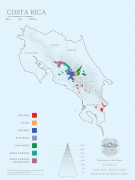
What are the three best producing areas in Costa Rica? What is the difference between the three major producing areas?
The western valley (West Valley) is one of the seven producing areas in Costa rica. It ranks with Tarazu and the central valley as the three best producing areas, with an elevation of about 700-1600 meters. The annual coffee season is from October to February. The poor high temperature, coupled with fertile soil, is very suitable for coffee cultivation. The scenery of the western valley is very beautiful, and the area is divided into six sub-areas around

Introduction to the Flavor characteristics of six Coffee producing areas in Colombia what grade of Colombian Coffee beans is Huilan
Colombian coffee is located in the Andes, where the mild climate, humid air and good rainfall make it very suitable for coffee growth. According to its geographical location, Colombian coffee is divided into three producing areas: northern, central and southern, in which it has six high-quality coffee producing areas of Colombian origin, SierraNev.

Honduras coffee is good for you.
Professional barista exchanges, please pay attention to coffee workshop (Weixin Official Accounts cafe_style) Honduras coffee producing area: In Honduras, coffee producing area is divided into six major producing areas, namely Santa Barbara, El Paraiso, Copan, La Paz and Comayagua.

Octavia Otavia Coffee producing area in Honduras | Coffee rating
Professional coffee knowledge exchange more coffee bean information please follow the coffee workshop (Wechat official account cafe_style) according to IHCAFE data, Honduran coffee can be divided into six major producing areas, mainly located in the west and south of the Coban District (Copan), Obalaka District Opalaca), Montecillos (Montecillos), Gongma Agua (Comayagua), Akata (Agalt)

Is Honduran Coffee good? introduction to Honduran Coffee producing areas
For the exchange of professional baristas, please follow the coffee workshop (Wechat official account cafe_style) Honduras Coffee producing areas: in Honduras, coffee producing areas are divided into six major producing areas, spread to the west and south, namely, Santa Barbara (Santa Barbara), El Paraiso (El Paraiso), Copan (Coban), La Paz (Baz) and Comayagua (Guagua).
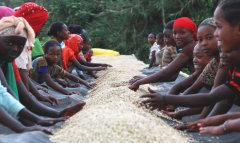
The six modes of growing coffee in Ethiopia introduce in detail the flavor of Arsi sun-dried coffee beans.
At present, about 25% of the Ethiopian population directly or indirectly depends on coffee production for a living. The majority of farmers use traditional planting methods. Artificial care of coffee trees, the use of organic fertilizers, do not use harmful pesticides and herbicides, etc. Therefore, most of the coffee produced by Ethiopia is organic coffee. The planting pattern in Ethiopia is complex, ranging from wild coffee in the original forest to a strong contrast to it.

Flavor and taste of Honduran coffee beans Description of varieties Manor region
In Honduras, the coffee producing areas are divided into six major producing areas, located in the west and south, namely Santa Barbara, El Paraiso, Copan, La Paz, Comayagua and Olancho.

Is Honduran Coffee good? introduction to the quality of Honduran Coffee producing areas
For the exchange of professional baristas, please follow the coffee workshop (Wechat official account cafe_style) Honduras Coffee producing areas: in Honduras, coffee producing areas are divided into six major producing areas, spread to the west and south, namely, Santa Barbara (Santa Barbara), El Paraiso (El Paraiso), Copan (Coban), La Paz (Baz) and Comayagua (Guagua).